Cataract
Introduction to Cataract
Cataract is one of the most common causes of vision loss worldwide, especially in older adults. While it can sound intimidating, the good news is that cataracts are treatable, and modern surgery can restore clear vision quickly and safely.
Why Understanding Cataract Matters
Many people ignore cloudy vision as a sign of “just getting older,” but early detection can make a huge difference in maintaining good eyesight.
What Is a Cataract?
A cataract occurs when the normally clear lens of your eye becomes cloudy. This cloudiness blocks or scatters light, making it difficult to see clearly.
How the Eye’s Lens Works
The lens focuses light onto the retina, allowing you to see sharp images. When the lens becomes cloudy, images become blurred and colors may appear faded.
Types of Cataracts
- Nuclear Cataract: Forms in the center of the lens, common with aging.
- Cortical Cataract: Starts at the edges and spreads inward.
- Posterior Subcapsular Cataract: Forms at the back of the lens, affecting near vision and light sensitivity.
- Congenital Cataract: Present at birth or develops during childhood.
Common Symptoms of Cataract
Early Signs
- Slight blurring of vision
- Sensitivity to light and glare
- Colors appearing less vibrant
Advanced Stage Symptoms
- Double vision in one eye
- Needing brighter light to read
- Trouble seeing at night
Causes of Cataract
Aging and Natural Changes in the Eye
Most cataracts develop due to age-related changes in the lens.
Medical Conditions
Diabetes, high blood pressure, and other chronic illnesses can speed up cataract formation.
Eye Injuries and Surgeries
Previous eye injuries or surgeries may increase the risk.
Lifestyle and Environmental Factors
- Excessive UV light exposure
- Smoking
- Long-term use of steroid medications
Risk Factors for Cataract Development
- Age over 60
- Family history of cataracts
- Uncontrolled diabetes
- Prolonged sun exposure without sunglasses
How Cataract is Diagnosed
Eye Examination
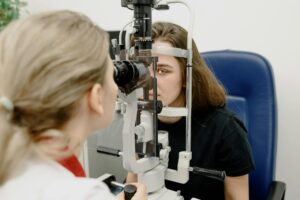
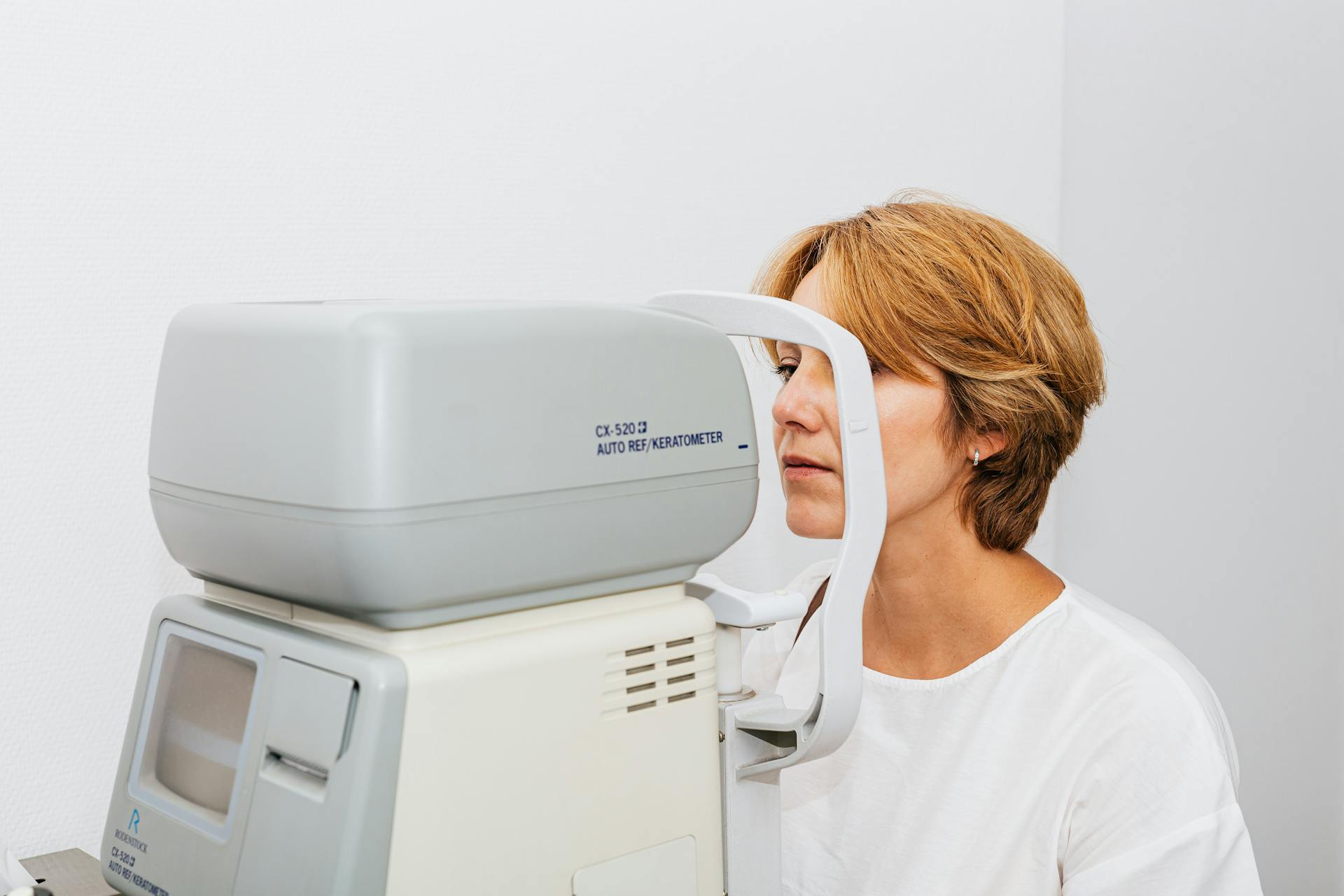
Your ophthalmologist will use special equipment to look at your lens for cloudiness.
Vision Tests
These measure how well you can see at various distances and under different lighting conditions.
Stages of Cataract Progression
Cataracts develop slowly, often taking years before significantly impairing vision. In early stages, glasses or brighter lighting may help, but surgery becomes necessary as the cataract worsens.
Treatment Options for Cataract
When Surgery is Needed
If cataracts interfere with daily activities like reading, driving, or watching TV, surgery may be recommended.
Types of Cataract Surgery
- Phacoemulsification: The most common method, using ultrasound to break up the cloudy lens.
- Extracapsular Surgery: Removing the cloudy lens in one piece (used for very advanced cataracts).
Lens Implant Options
Artificial lenses (IOLs) replace the cloudy lens, and they can be monofocal, multifocal, or toric for astigmatism correction.
Post-Surgery Recovery and Care
Most patients experience improved vision within days. Recovery involves using prescribed eye drops, avoiding heavy lifting, and wearing protective glasses for a few weeks.
Preventing or Delaying Cataract
Eye-Friendly Habits
- Wear UV-protection sunglasses
- Quit smoking
- Control blood sugar levels
Nutrition and Supplements
A diet rich in antioxidants, vitamins C and E, and omega-3 fatty acids may help protect the eyes.
Living with Cataract Before Surgery
If surgery isn’t needed yet, stronger glasses, magnifying lenses, and brighter lighting can help manage daily activities.
Conclusion
Cataracts are a natural part of aging for many, but they don’t have to mean permanent vision loss. With proper care, regular check-ups, and timely surgery, you can maintain clear, sharp vision well into your senior years.
FAQs About Cataract
1. Can cataracts go away without surgery?
No, once a cataract forms, surgery is the only way to remove it.
2. Is cataract surgery painful?
No, it’s usually painless, performed under local anesthesia.
3. How long does cataract surgery take?
Typically 15–30 minutes per eye.
4. Can cataracts return after surgery?
No, but a condition called “secondary cataract” can occur and is easily treated with laser.
5. What age do cataracts usually start?
They often begin developing after age 50 but can appear earlier in some cases.