LASIK — Laser Eye Surgery: Procedure, Benefits, and Recovery
Introduction to LASIK
LASIK (Laser-Assisted In Situ Keratomileusis) has transformed the way millions of people see the world—literally. It’s one of the most popular and trusted laser vision correction procedures, helping people reduce or eliminate their dependence on glasses or contact lenses.
Why LASIK Is So Popular
Fast results, minimal discomfort, and long-lasting vision correction make LASIK a top choice for those who qualify.
What Is LASIK?
LASIK is a type of refractive surgery that reshapes the cornea—the clear front part of the eye—so light entering the eye is properly focused onto the retina.
How LASIK Works
The surgeon uses a specialized laser to create a thin flap in the cornea, then reshapes the underlying tissue before repositioning the flap.
Who Can Get LASIK?
Candidates typically:
- Are at least 18 years old
- Have a stable vision prescription for at least one year
- Don’t have certain eye diseases or severe dry eye
Eye Conditions LASIK Can Treat
Myopia (Nearsightedness)
Improves vision for people who see well up close but struggle with distance.
Hyperopia (Farsightedness)
Helps those who see distant objects clearly but have trouble with near vision.
Astigmatism
Corrects irregular corneal shapes that cause blurry vision at all distances.
LASIK Procedure Step-by-Step
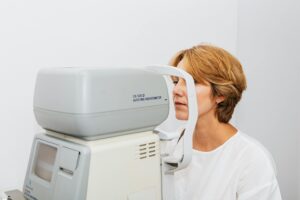
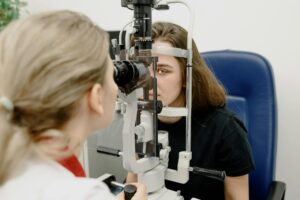
Pre-Surgery Consultation
An eye exam will check corneal thickness, pupil size, and overall eye health.
The Day of Surgery
You’ll be awake but given numbing eye drops. The procedure usually takes less than 30 minutes for both eyes.
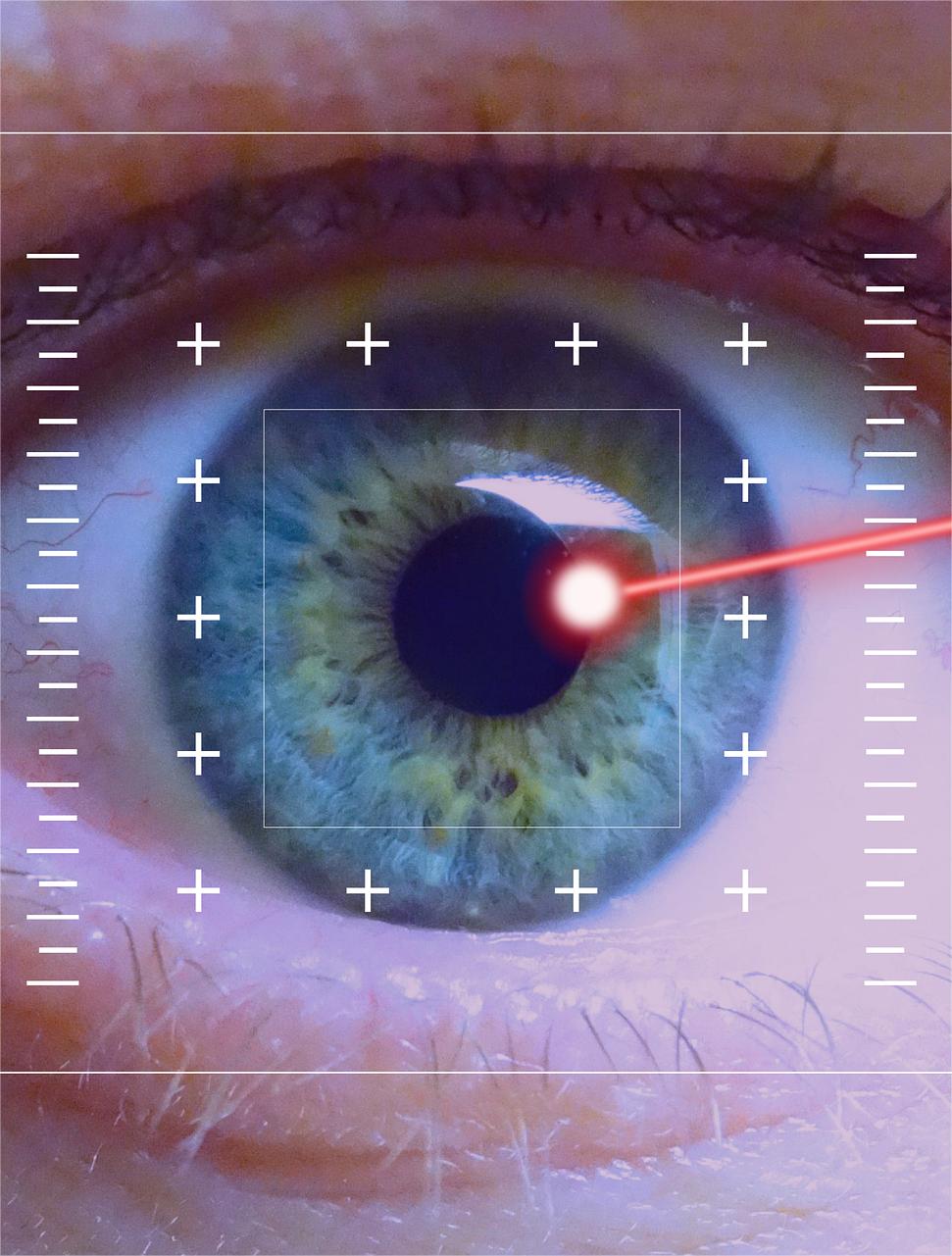
How the Laser Reshapes Your Cornea
Using precise laser technology, the surgeon removes microscopic amounts of tissue to correct the refractive error.
Benefits of LASIK
Quick Vision Improvement
Most people notice clearer vision within 24–48 hours.
Minimal Pain
Only mild discomfort or itching may occur after surgery.
Long-Term Results
LASIK offers permanent correction for most patients, though natural aging can still affect vision over time.
Risks and Possible Side Effects
Temporary Vision Disturbances
Some people experience glare, halos, or starbursts at night.
Dry Eyes
Temporary dryness is common after LASIK but usually improves with time.
Rare Complications
Infection or flap healing issues are rare but possible.
Recovery After LASIK
Immediate Post-Surgery Care
Rest your eyes, avoid rubbing them, and use prescribed drops.
Long-Term Eye Health
Attend follow-up visits, wear sunglasses outdoors, and protect your eyes from injury.
How to Prepare for LASIK
- Stop wearing contact lenses before the pre-op exam (time varies by lens type).
- Avoid makeup, lotions, and perfumes on surgery day.
- Arrange for someone to drive you home.
Alternatives to LASIK
- PRK (Photorefractive Keratectomy)
- SMILE (Small Incision Lenticule Extraction)
- Implantable Contact Lenses (ICL)
Myths and Facts About LASIK
- Myth: LASIK is painful — Fact: It’s virtually painless due to numbing drops.
- Myth: LASIK can make you blind — Fact: Serious complications are extremely rare with modern technology.
Conclusion
LASIK is a safe, effective, and life-changing procedure for many people. With the right preparation, realistic expectations, and an experienced surgeon, you could enjoy years of clear vision without glasses or contacts.
FAQs About LASIK
1. How long does LASIK last?
Results are generally permanent, though age-related vision changes can still occur.
2. Is LASIK safe?
Yes, when performed by a qualified surgeon, it has a high success rate and low complication risk.
3. How much does LASIK cost?
Costs vary depending on location, technology used, and surgeon experience.
4. Does LASIK hurt?
No, only mild discomfort may occur afterward.
5. Can both eyes be done on the same day?
Yes, most LASIK surgeries treat both eyes during the same session.