What Is Dry Eye? Symptoms, Causes, and Treatment
Introduction to Dry Eye
Dry eye isn’t just a minor irritation—it’s a common eye condition that can significantly impact your daily life. Millions of people experience it worldwide, and while it may start as mild discomfort, it can progress into a chronic issue if left untreated.
Why Dry Eye Awareness Matters
Many people ignore the early signs of dry eye, assuming it’s just due to lack of sleep or screen time. But understanding the causes and seeking timely treatment can protect your long-term eye health.
What Is Dry Eye?
Dry eye occurs when your eyes don’t produce enough tears, or when the tears evaporate too quickly. Tears are essential for keeping the eyes moist, comfortable, and clear. Without proper lubrication, the eyes become irritated and prone to damage.
Understanding Tear Film
Your tear film has three layers—oil, water, and mucus. Each plays a role in protecting your eyes. Any imbalance can lead to dryness.
Types of Dry Eye
- Evaporative Dry Eye: Caused by issues with the oily layer, leading to rapid tear evaporation.
- Aqueous Deficient Dry Eye: When your tear glands don’t produce enough watery fluid.
Common Symptoms of Dry Eye
Dry eye symptoms can vary, but common signs include:
Early-Stage Symptoms
- Stinging or burning sensation in the eyes
- Feeling like something is in your eye
- Light sensitivity
Advanced Symptoms
- Blurry vision
- Difficulty wearing contact lenses
- Eye fatigue
- Watery eyes (a reflex response to dryness)
Causes of Dry Eye
Dry eye can develop for many reasons, often as a combination of factors.
Environmental Factors
Dry, windy, or smoky air can dry out your tears faster.
Lifestyle Factors
Excessive screen time reduces blinking, which helps spread tears evenly.
Medical Conditions
Conditions like diabetes, rheumatoid arthritis, and thyroid disorders can interfere with tear production.
Aging and Hormonal Changes
Tear production decreases with age, and hormonal changes—especially in women—can increase the risk.
Digital Eye Strain
Staring at digital screens for long hours is one of today’s leading causes of dry eye.
Risk Factors for Developing Dry Eye
- Being over 50 years old
- Wearing contact lenses regularly
- Taking certain medications (antihistamines, antidepressants)
- Living in dry climates
How Dry Eye is Diagnosed
Eye Examination
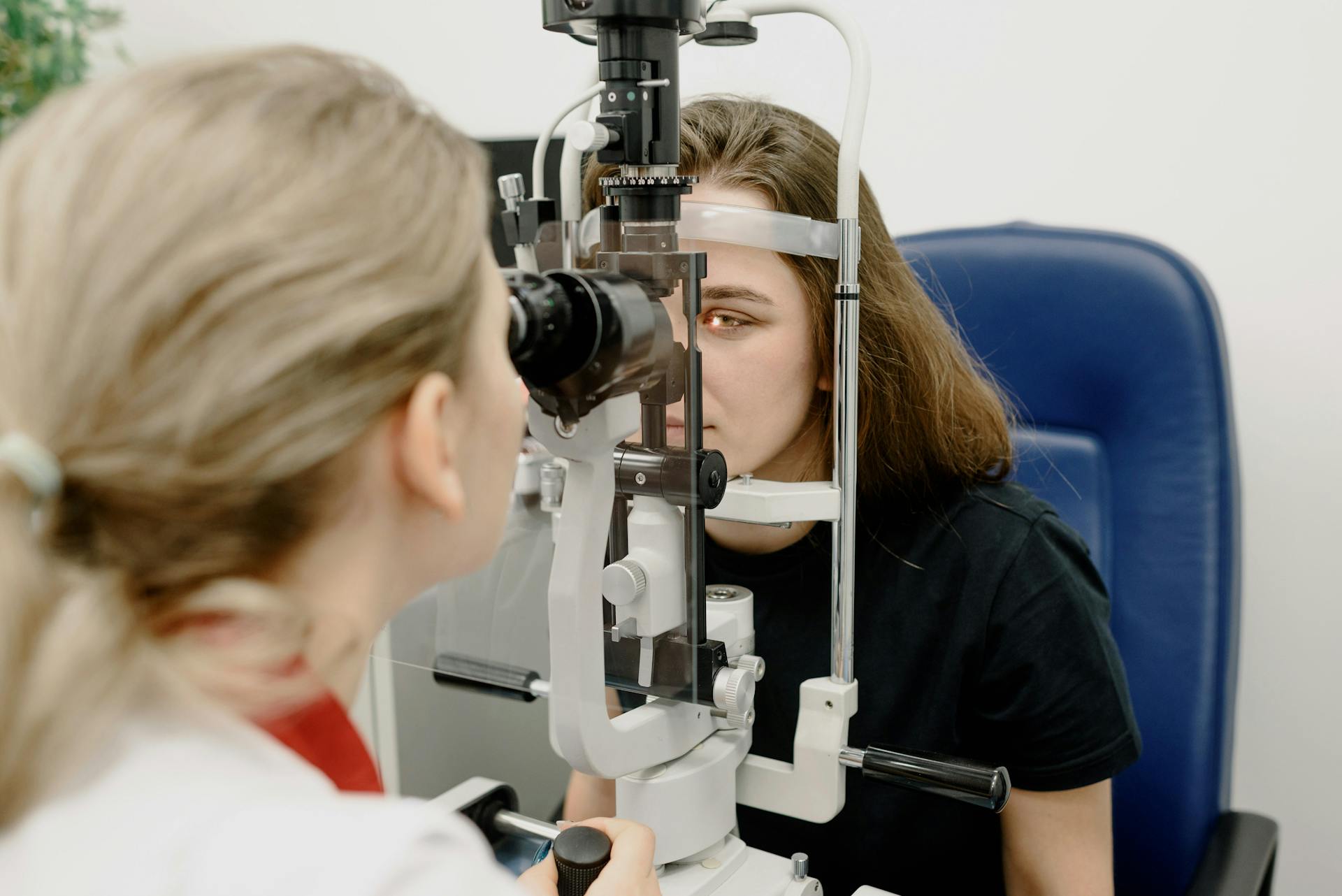
An optometrist or ophthalmologist will examine your eyes for signs of dryness.
Tear Quality Tests
Special tests can measure tear volume and check how quickly your tears evaporate.
Treatment Options for Dry Eye
Over-the-Counter Eye Drops
Artificial tears can provide quick relief for mild cases.
Prescription Medications
Doctors may prescribe anti-inflammatory drops or ointments.
Lifestyle Adjustments
- Taking regular screen breaks
- Using a humidifier
- Wearing wrap-around sunglasses outdoors
Medical Procedures
In severe cases, punctal plugs can be inserted to block tear drainage and keep your eyes moist longer.
Preventing Dry Eye
Eye-Friendly Habits
Blink often, especially when using screens, and avoid direct air blowing into your eyes.
Nutrition and Hydration
Drinking enough water and eating foods rich in omega-3 fatty acids (like fish and flaxseed) can improve tear quality.
Living with Chronic Dry Eye
If you have chronic dry eye, regular check-ups and sticking to your treatment plan can help you manage symptoms effectively and maintain eye comfort.
Conclusion
Dry eye is more than just a temporary nuisance—it’s a condition that can affect your vision and quality of life. By recognizing the symptoms early, understanding the causes, and exploring effective treatments, you can keep your eyes healthy and comfortable.
FAQs About Dry Eye
1. Can dry eye go away on its own?
Sometimes mild cases resolve, but chronic dry eye often needs ongoing care.
2. Is dry eye permanent?
Not always—many cases improve with treatment and lifestyle changes.
3. Can I wear contact lenses with dry eye?
Yes, but you may need special lenses or rewetting drops.
4. Does drinking water help dry eye?
Yes, staying hydrated can improve tear production.
5. Can dry eye cause vision problems?
If left untreated, it can cause blurred vision and even damage to the eye surface.